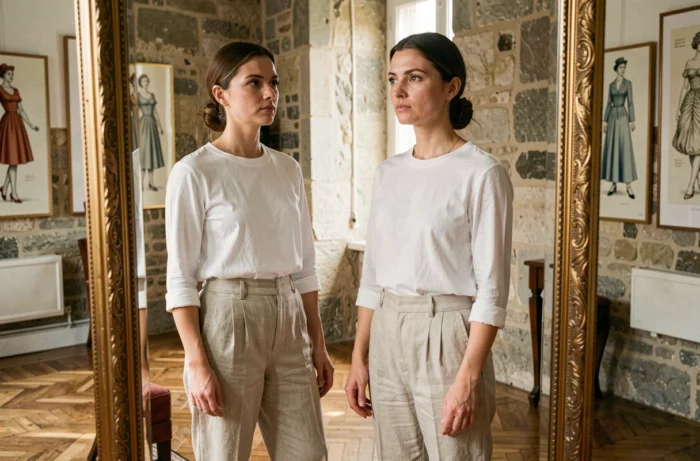
In France, 86% of people believe you need to feel beautiful to feel good, according to an Ipsos study. This striking figure sets the scene: physical appearance is not an accessory to everyday life, but a direct driver of perceived well-being.
The proportion is even higher among women (93%) and 18- to 24-year-olds (91%). To measure how strongly these standards shape body image, we first need to identify what they prescribe, then examine the differences between social groups.
France’s regulatory framework on body image
Before looking at aesthetic standards themselves, one point sets France apart from most of its neighbors: lawmakers directly regulate how bodies are represented. Law No. 2023-451 of June 9, 2023 requires content creators to disclose any digital alteration of a person’s figure or face in commercial posts. It also regulates influencers’ promotion of certain high-risk cosmetic procedures.
Ordinance No. 2024-978 of November 6, 2024, subsequently clarified the scope of these disclosures. This legal requirement makes the gap between the appearance shown online and a person’s real appearance visible. A separate rule already applied to retouched advertising photographs, requiring the label “retouched photograph” in certain commercial contexts.
This legal framework makes France a place where body representation is a public health issue, not just a matter of personal image. An in-depth article examines beauty standards in France from a cultural and historical perspective, complementing this regulatory overview.
Physical traits valued in France: what the data reveals
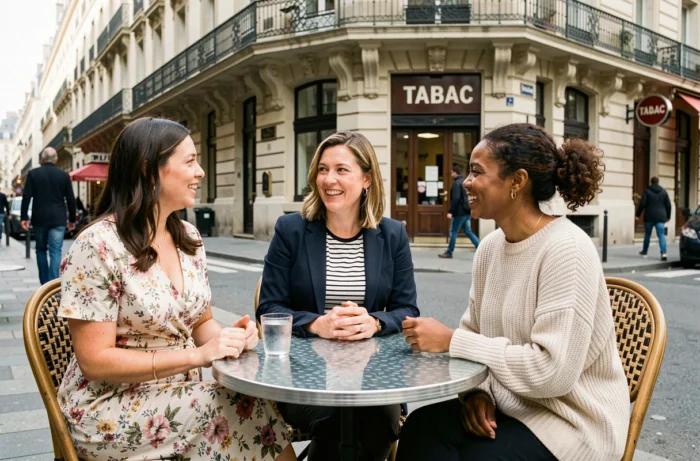
French beauty standards revolve around a few recurring traits. The table below summarizes the criteria identified in available surveys and comparative analyses.
| Criterion | Trend in France | International comparison |
|---|---|---|
| Body type | A wider range of body shapes is valued than elsewhere | Stricter standards in Japan or Brazil |
| Face | Radiant complexion, charm in the details (eyes, smile) | South Korea: smooth skin, strict symmetry |
| Body hair | Very little social acceptance | Varies widely from country to country |
| Clothing style | 43% consider it necessary to look more beautiful | Specific to the Ipsos France survey |
| Makeup | Subtlety and a “natural but polished” look | Heavier makeup is more common in other markets |
Two points in this table deserve further comment. First, body hair remains a strong marker of social exclusion in France, while the subject is more openly debated in other European countries. Second, clothing style ranks alongside a balanced diet as a perceived contributor to beauty, which is unusual.
The role of healthy habits in perceptions of beauty
People in France rank sleep as the top factor in beauty (53%), ahead of exercise (49%) and diet (43%). This ranking suggests that perceived beauty is based first and foremost on lifestyle habits, not cosmetic procedures. Skincare and facial care are complementary, not substitutes.
Women invest more in body-care routines, while their concerns focus on curves (53% of women) and cellulite (44%). These figures point to targeted pressure on specific areas of the body.
Social media and body image in France
Digital platforms have changed how quickly beauty standards spread, as well as their nature. Automatic retouching filters in photo apps redefine the norm in real time, even before users post. The 2023 law seeks to curb this phenomenon, but enforcement remains difficult across millions of daily posts.
Three specific mechanisms intensify the pressure social media places on body image:
- Constant comparison with images that have been retouched or generated by artificial intelligence, often without the legally required disclosure
- Repeated exposure to body types made more uniform by recommendation algorithms, which favor content with strong visual engagement
- Influencers promoting cosmetic procedures, now regulated but still present in disguised forms
Students appear to be the most exposed group. Content circulating in student residences and on campuses shows that gendered beauty standards reinforce one another: pressure to be thin for women and muscular for men, alongside contradictory demands to look natural while matching a highly polished ideal.
Family influence and the development of self-image
Beauty standards do not come solely from screens. Parental attitudes, comments about appearance from an early age, and self-care habits passed down at home all shape a person’s first filter. This influence overlaps with media standards and either reinforces or sometimes contradicts them.
A teenager growing up in a household where people feel at ease with their bodies does not internalize the same standards as someone who regularly hears comments about their weight or appearance. The family remains the first source of body-image standards, long before social media.
Gender differences in attitudes toward appearance in France
The Ipsos survey reveals a clear divide. Among women, 93% link beauty with well-being, compared with a lower proportion of men. This gap is also reflected in everyday behavior:
- Women spend more time and money on body care, increasingly doing it at home
- Women’s concerns focus on specific areas of the body (curves, cellulite), while men’s concerns are less well documented in French surveys
- Facial skincare is now common to both genders, but men access it through different channels, with products marketed around “performance” rather than “beauty”
This imbalance has measurable effects on self-esteem. The correlation between physical appearance and reported well-being is stronger among women, meaning that any perceived change in their bodies (weight gain, aging, visible fatigue) has a greater impact on their overall sense of well-being.
France stands out for a documented paradox: it values a broader range of body types than other countries, while maintaining strong social pressure around specific traits such as body hair and thinness. This dual dynamic—outward tolerance and internalized expectations—makes these standards all the harder to identify and challenge.