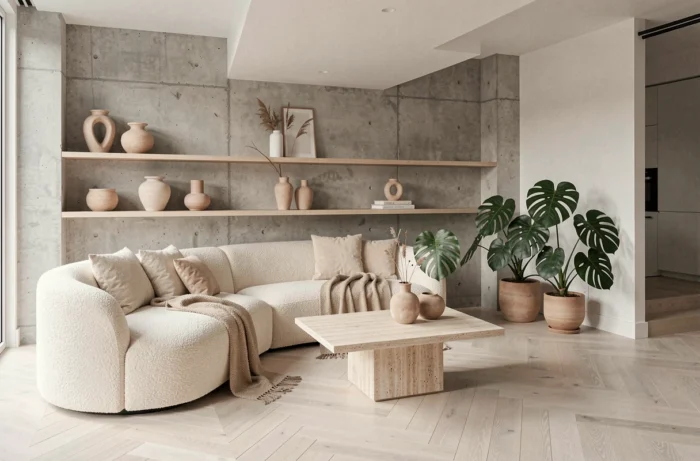
The home trends in 2026 are no longer limited to choices of colors or furniture. They now incorporate regulatory constraints on energy renovation, electric flexibility devices, and a technical focus on summer thermal comfort. This convergence between decoration, building performance, and home automation redefines how an interior is designed and experienced on a daily basis.
Summer Comfort and Ventilation: The Technical Angle That Decoration Ignores
Most articles on home trends focus on color palettes and decorative materials. Summer comfort remains a blind spot. In 2026, however, energy renovation increasingly emphasizes ventilation, solar protections, and adaptation to heat waves.
Specifically, this means that the choice of a blind, a solar shade, or a double-flow ventilation system becomes as much a decorative gesture as a performance one. An adjustable aluminum solar shade alters the facade. A well-sized ventilation system dictates the placement of furniture and partitions. Integrating these elements from the design phase prevents them from being seen as constraints later on.
To keep up with the latest home news on Zenith Actu, these technical topics are gaining visibility alongside purely aesthetic inspirations, signaling that the boundary between renovation and decoration is blurring.
MaPrimeRénov’ 2026: What the Regulations Change for Your Home Projects
Since September 1, 2026, according to Qualitel, extensive renovations in individual homes can no longer be financed by MaPrimeRénov’ if gas or oil heating or hot water is retained after the work. The eligibility for one-off works has also been tightened.
This constraint directly impacts interior design choices. Replacing a gas boiler with an air-water heat pump or a pellet stove changes the layout of a room. The exhaust duct, the outdoor unit, and the thermodynamic balloon take up space and impose safety distances.
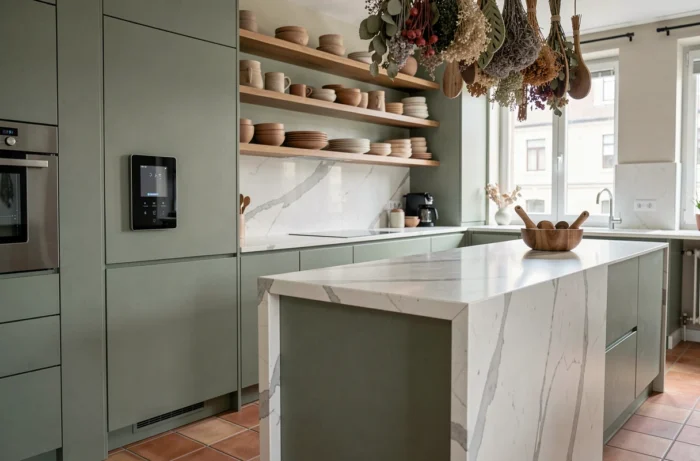
Rather than treating these systems as elements to hide, some projects integrate them into the decorative approach. A Scandinavian-designed pellet stove becomes a focal point in a living room. A compact thermodynamic balloon finds its place in a carefully arranged pantry.
Anticipating the Energy Performance Diagnosis Before Decorating
The energy performance diagnosis affects the value of a property. Undertaking decoration work without checking the energy class of the home is like putting wallpaper on a poorly insulated wall. The logical order is: insulate, ventilate, heat, then decorate.
Finishing materials also contribute to thermal performance. A lime plaster on a stone wall regulates humidity. A solid wood floor laid on a low-temperature underfloor heating system requires a stable wood species (oak, walnut) and appropriate thickness.
Connected Home and Electric Flexibility: Beyond Remote Control
Home automation now goes beyond simple voice control of lighting. In October 2026, Enki announced the extension of its compensation system to electric water heaters. The principle: shift or temporarily reduce certain uses when the electrical grid is under pressure.
This mechanism transforms ordinary equipment into players in energy management. A connected water heater heats water during off-peak hours or during solar production peaks, then reduces its consumption during peak hours. The household receives compensation in exchange for this flexibility.
Connected Thermostats and Room-by-Room Regulation
Room-by-room regulation allows for temperature adjustments based on the actual use of each space. An office heated on demand during working hours, a bedroom that automatically cools at night, a living room that anticipates the return of occupants: these scenarios reduce consumption without sacrificing comfort.
The decorative interest is indirect but real. A well-integrated thermostat replaces an oversized radiator and frees up wall space.
- Connected thermostatic valves can be installed on most existing radiators without heavy work.
- Compatibility with Matter facilitates interoperability between brands (Apple, Google, Amazon) within the same home.
- Compensation for electric flexibility (like Enki) works on common equipment such as water heaters or heating systems.
Raw Materials and Sustainable Design: A Fundamental Trend for 2026
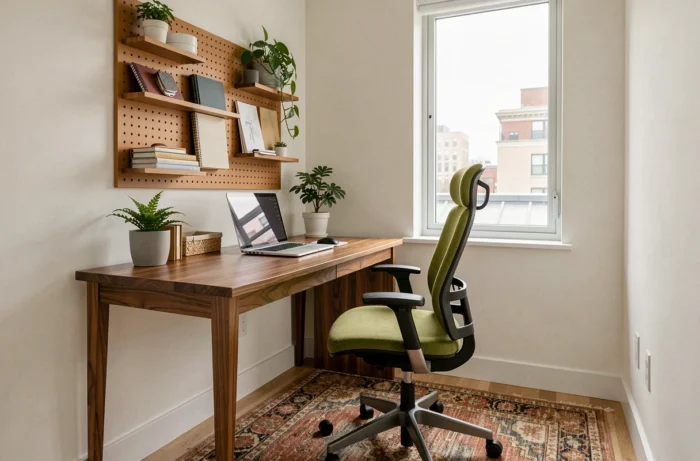
Minimally processed wood, textured ceramics, patinated metal: the trend continues the organic movement observed over several seasons. Choosing a certified solid wood piece or a handcrafted ceramic object is no longer just aesthetic. It fits into a logic of sustainable decoration where the longevity of the material matters as much as its appearance. A raw oak table top ages better than laminate, and its maintenance is limited to an oil applied once or twice a year.
- Raw or lightly brushed finishes replace glossy lacquers in kitchens and bathrooms.
- Linens and hemp textiles are gaining ground over cotton for curtains, cushions, and chair coverings.
Lighting also contributes to this evolution. Fixtures made from recycled or bio-sourced materials (paper, woven rattan, artisanal blown glass) create warm atmospheres while reducing the carbon footprint of the decoration sector.
Adopting the home trends of 2026 requires thinking in layers: first the building’s performance, then the connected equipment, and finally the style and material choices. A well-insulated and well-ventilated interior remains the best foundation for any successful decoration. The rest, colors, textures, furniture, comes to dress an already high-performing envelope.