
A trip off the beaten path is about more than choosing an exotic destination on a map. It starts with timing, logistics and the ability to adapt to the unexpected. Exploring the world differently means taking an interest in less-visited places, off-peak periods and the practical challenges that come with this kind of travel.
Off-season travel: plan ahead for transport and accessibility challenges
Travelling outside peak tourist periods has clear advantages: fewer crowds, lower prices and more direct contact with local people. The downside, which is rarely highlighted, is reduced transport infrastructure off-season. Ferry routes may be suspended, mountain roads closed and bus services cut in half: the network serving a tourist region in summer can be skeletal by November.
The European Commission also emphasises connectivity for less accessible areas in its tourism strategy. The aim is to help destinations align visitor numbers with their actual capacity, taking existing infrastructure and residents’ well-being into account.
In practical terms, planning an off-season getaway to a less-visited area means checking three things before booking: whether local transport services are running on your travel dates, the condition of access roads or trails, and the opening hours of accommodation and services at your destination. Several of the trips offered by 1001 Découvertes take these logistical considerations into account from the outset, so you won’t arrive to find that a stretch of road is impassable or an entire village is shut down for the season.
Less-visited destinations: how visitor management affects travellers
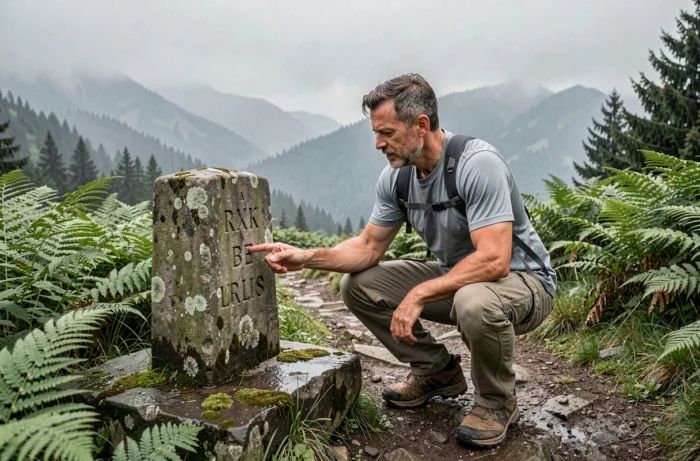
The European strategy for sustainable tourism includes practical tools to help destinations manage visitor numbers. It features a recommendation on balanced tourism and a toolkit for local authorities. For travellers, this has a direct impact: some areas that were once freely accessible may now regulate visits, limit the number of hikers or require advance reservations for entry.
This isn’t a drawback; it’s simply something to factor into your plans. A nature reserve that manages visitor numbers often offers a richer experience than one that lets hundreds of people pour in unchecked. The benefits are clear: peace and quiet, more wildlife sightings and trails that are easier to navigate.
Places best visited during the off-season
Mediterranean archipelagos between October and April, the highlands of Central Europe in spring, Atlantic coastlines in autumn: these windows offer a very different travel experience from peak season. The light changes, the landscapes transform, and interactions with local people feel more natural when the balance of visitors and residents shifts.
The point isn’t to avoid crowds on principle, but to understand that visiting the same place at two different times of year can mean two entirely different experiences. Exploring the world differently starts with this awareness of timing.
Weather disruptions and getaway ideas: plan a realistic trip
Weather events directly affect travel conditions and destination choices. Summer heatwaves in Southern Europe, torrential rain in Southeast Asia, winter storms along northern coastlines: checking local alerts before departure is no longer an optional precaution; it’s a key part of planning.
A trip to a remote area in the low season calls for a plan B. The question to ask isn’t “What will I do if the weather is nice?” but “What will I do if the road is closed, the boat doesn’t run or my accommodation is shut?”
- Check local weather reports and alerts from the country’s authorities in the days before departure, rather than relying only on generic long-range forecasts.
- Build some flexibility into your itinerary: a buffer day can absorb a transport delay or change of plans without adding stress.
- Check mobile network coverage in remote areas, as access to real-time information may be limited away from major routes.
- Bring important documents in hard copy (accommodation confirmation, local contact numbers, a detailed map) in case you can’t rely on digital access.

Adjust your expectations to the realities on the ground
Travelling to an area with limited transport links is not like staying in a European capital. Schedules are less predictable, disruptions are more common and comforts can be basic. That contrast is precisely what makes the experience worthwhile. Accepting the unexpected is part of travel, but planning ahead helps you take it in your stride rather than struggle with it.
Travel and world discovery: choose an option that suits your needs
Exploring the world differently means different things to a couple seeking peace and quiet, a family with children or a solo traveller who’s used to trekking. Choosing between independent travel, a guided tour or a semi-guided trip depends as much on how much independence you want as on your destination.
In places where local logistics are limited, having support on the ground can greatly reduce the risk of getting stranded. Arranging local transport, knowing the alternatives when plans change and speaking the local language are all skills that occasional travellers may not have.
- Independent travel: best suited to well-connected destinations with reliable infrastructure and good access to information online.
- Guided tour: a good choice for remote areas, countries where the language barrier is significant or complex itineraries involving several modes of transport.
- Semi-guided trip: a compromise that gives you day-to-day freedom while securing the key elements (transfers, accommodation and pre-booked activities).
The right option is the one that matches the realities on the ground, not an idealised image of travel. A fully independent trip in a region with no mobile coverage or regular transport can quickly become a struggle if you haven’t planned ahead.
The most memorable getaway ideas often come from balancing careful preparation with openness to the unexpected. Let the destination set the pace, not the other way around. Keep that in mind, and you’re already travelling differently.